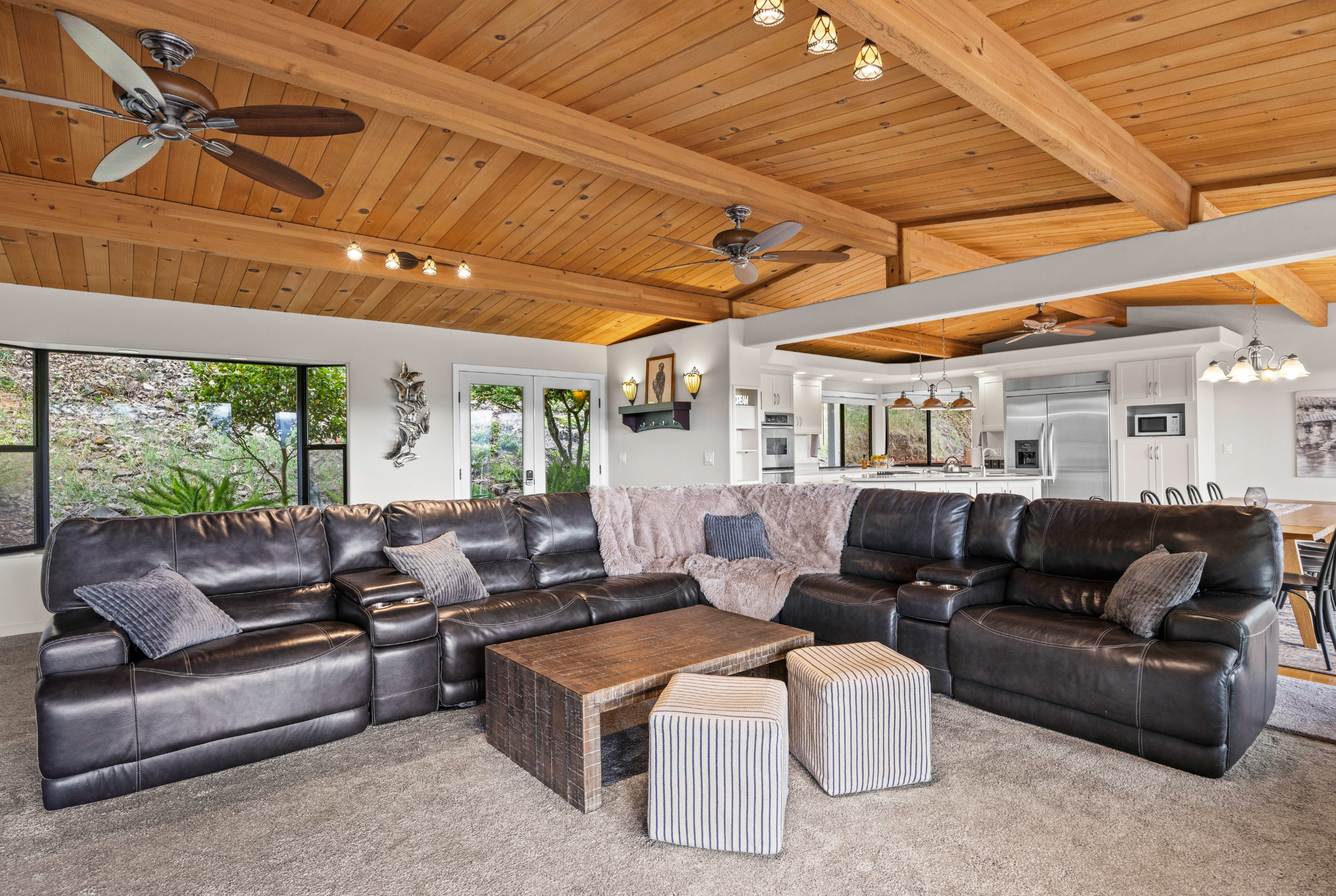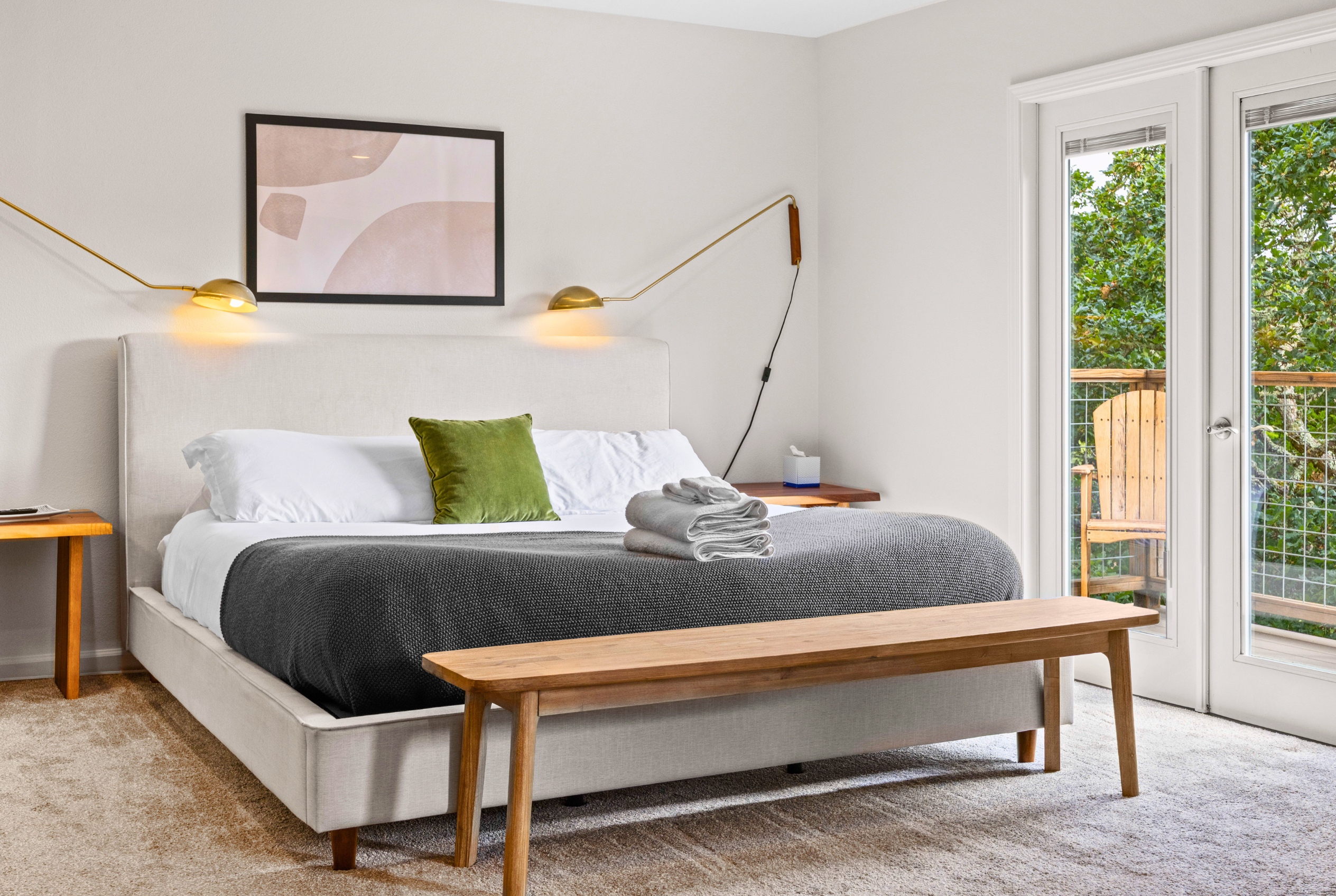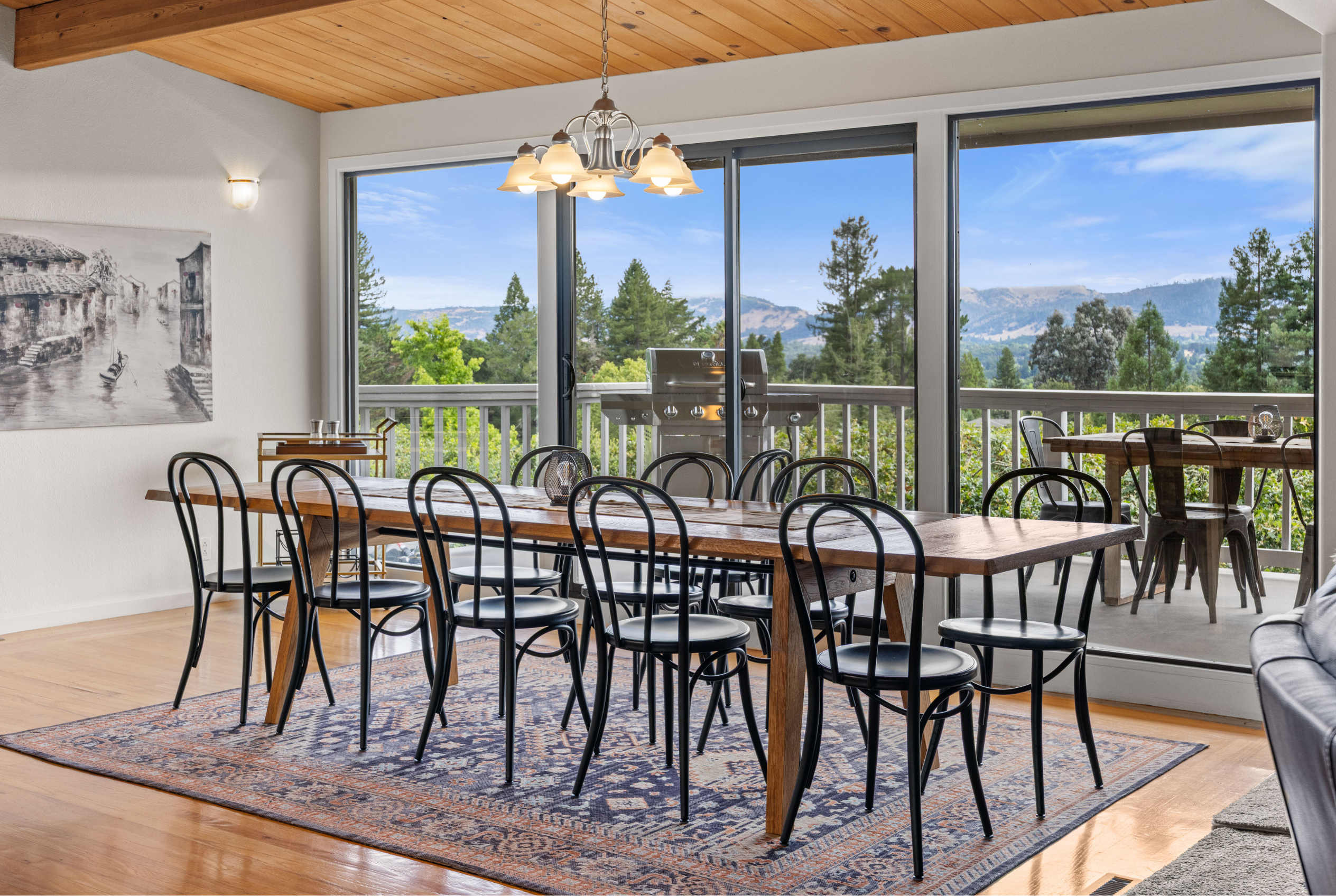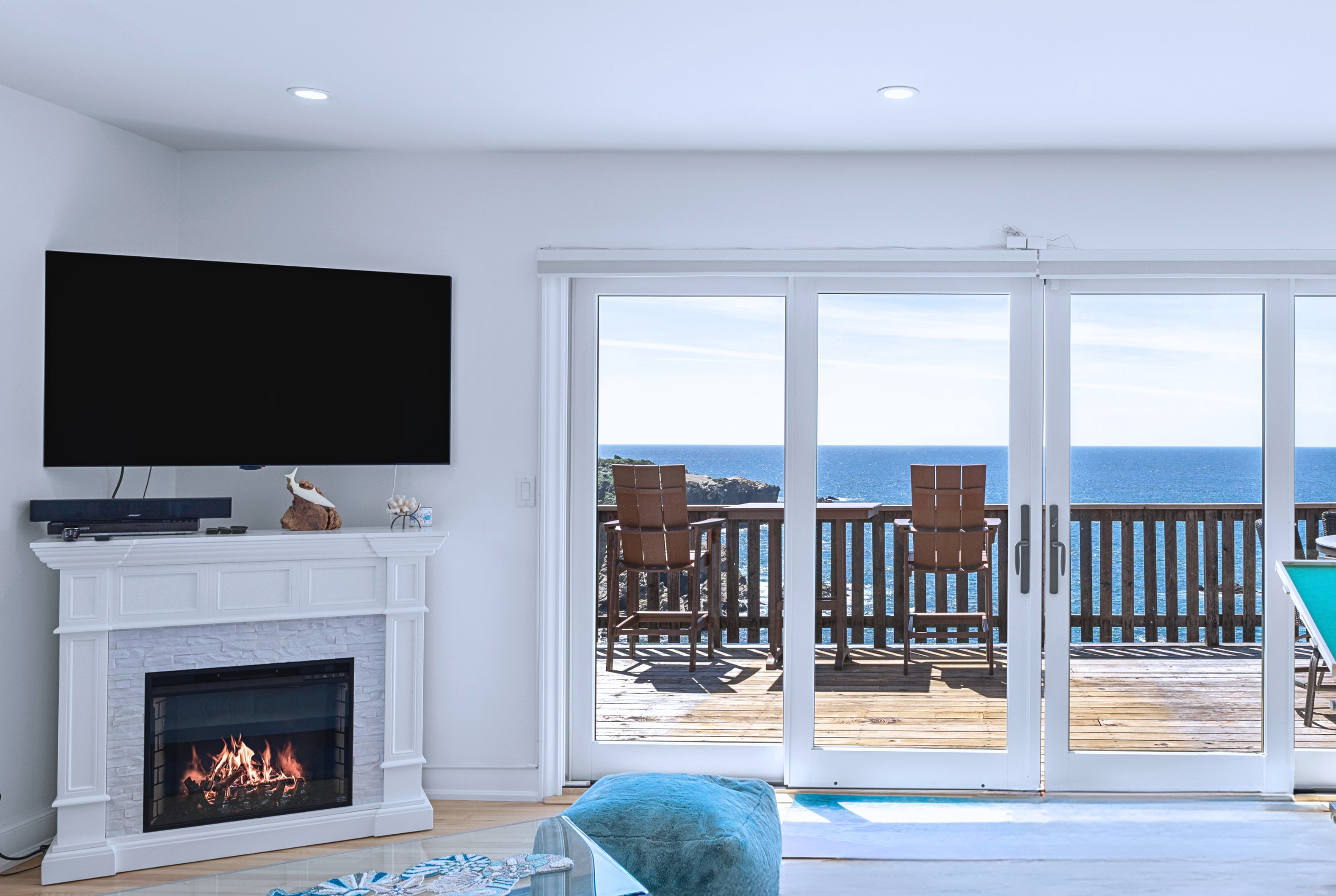
If you own a luxury vacation rental in Sonoma’s Wine Country, you’ve likely wondered: “Can I require guests to be 25, 30, or older to book my property?”
It’s one of the most common questions we hear from homeowners concerned about protecting their investment from party groups and immature guests. The answer is more nuanced than a simple yes or no—and understanding the legal landscape, platform policies, and strategic alternatives is critical.
We help owners navigate these complexities while implementing strategies that actually work to attract mature, responsible guests. Here’s what you need to know
Why Homeowners Want Age Restrictions on Their Rental Properties?
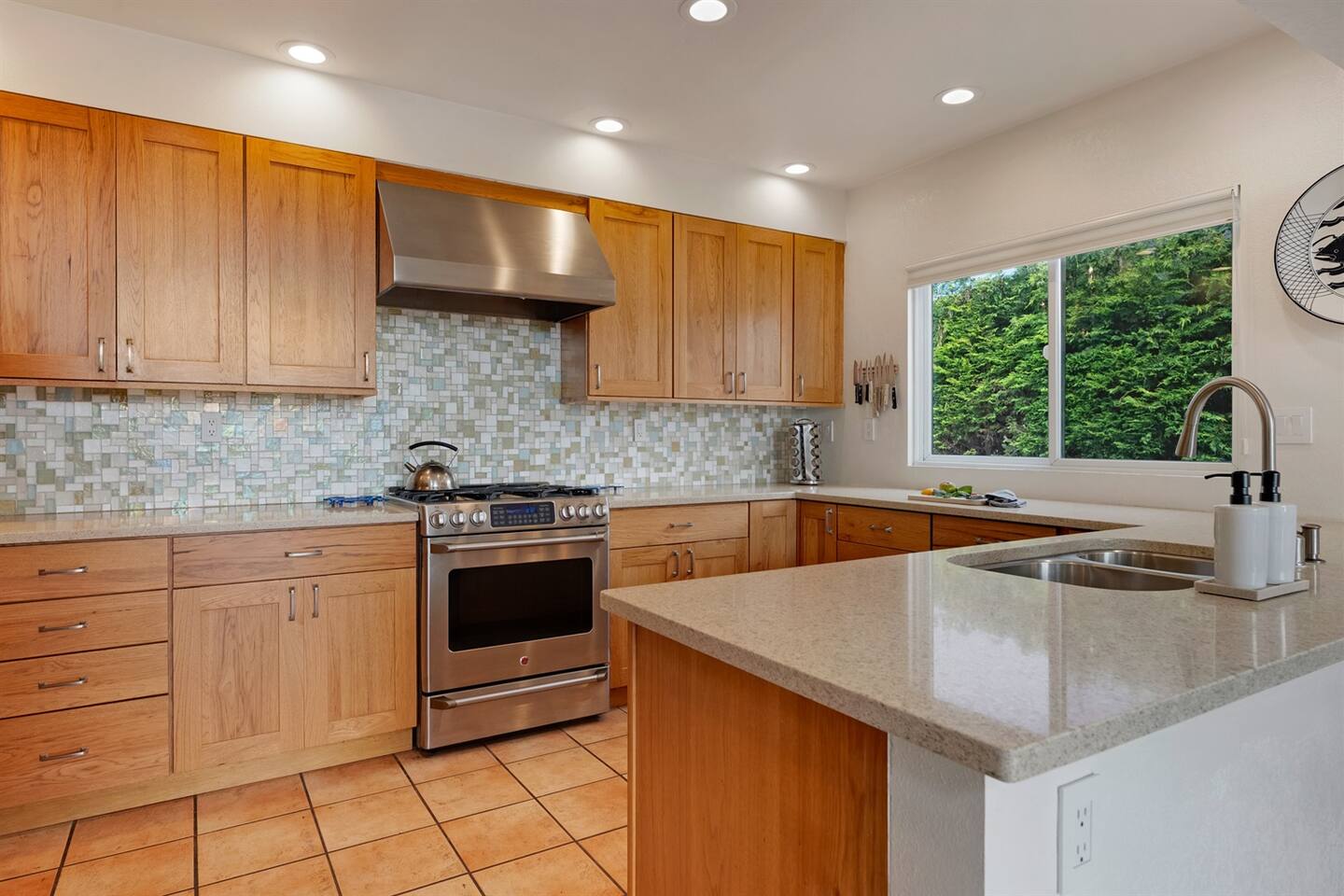
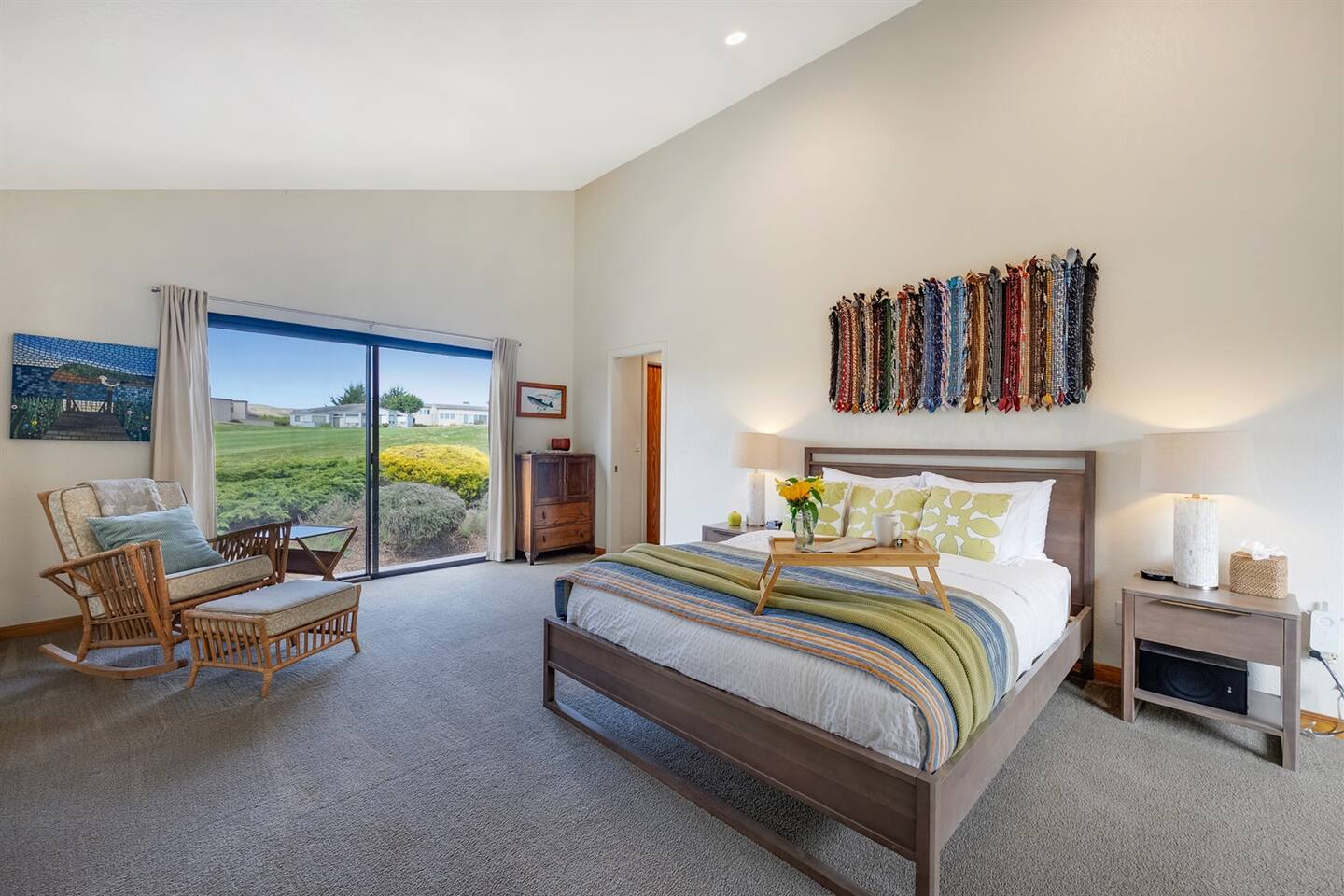
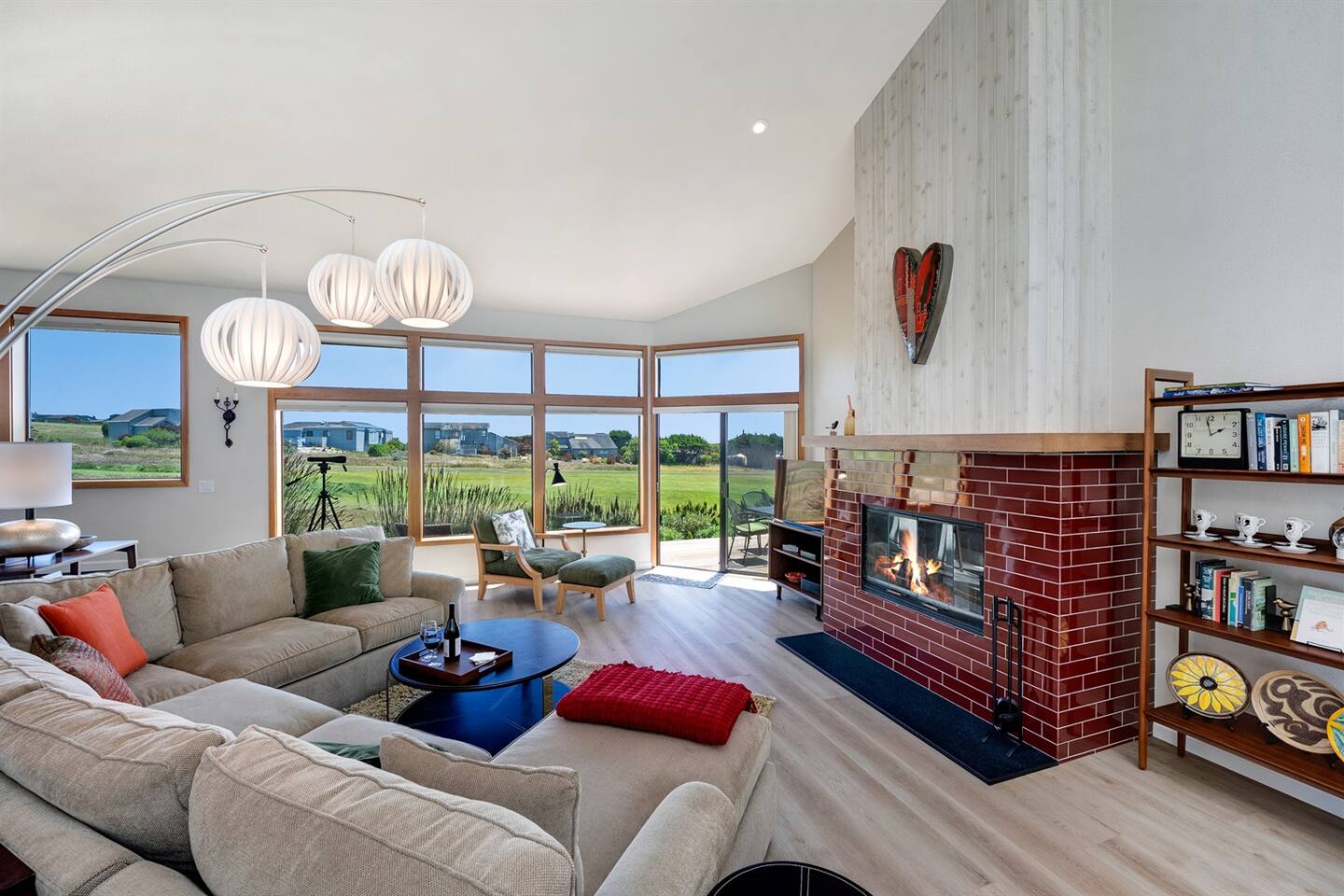
The concern is legitimate and understandable. Luxury homes with high-end finishes, delicate furnishings, and premium amenities require respectful guests. In close-knit Wine Country communities, maintaining good relationships with neighbors is essential—and party groups threaten that peace.
One bad experience can lead to damage claims, noise complaints, negative reviews, and lost future bookings. These are real concerns that deserve strategic solutions.
If you haven’t read it yet, check out our blog post on how property rental managers protect your home from bad guests.
What Are the Airbnb & VRBO Age Restrictions?
Before implementing any age-related policy, you need to understand what the major booking platforms actually enforce:
Platform-Enforced Age Requirements
Minimum Age: 18
All users must be at least 18 years old to create an account, book, or host on Airbnb and VRBO. This is enforced platform-wide.
Under-25 Booking Restrictions (Airbnb Only)
In certain markets (U.S., Canada, UK, parts of Europe), like ours, Airbnb automatically blocks guests under 25 from booking an entire home near their own residence unless they have at least three positive reviews and no negative reviews.
This policy specifically targets local party bookings and is enforced by Airbnb’s algorithm— no action required from hosts.
The Problem with Custom Age Requirements
While platforms technically allow you to write age requirements in your house rules, they don’t enforce them. That means:
- Younger guests can still book your property
- You’d have to enforce the rule yourself at check-in
- Refusing a guest creates legal risk (see below)
This creates a gap where stating an age requirement puts you in a legally vulnerable position without actually preventing bookings from younger guests.
The Legal Reality: California’s Unruh Civil Rights Act
Here’s where many well-intentioned homeowners run into serious legal trouble. California’s Unruh Civil Rights Act prohibits businesses—including short-term rentals— from discriminating based on age.
This means imposing a blanket age restriction like “30+ only” or “No guests under 25” may constitute illegal age discrimination unless it’s legally mandated by local law or regulation.
What This Means for Sonoma County Rentals Property Management
- Accept a 28-year-old guest You’ve created an unenforceable, inconsistent policy
- Reject a 28-year-old guest at check-in You risk discrimination claims, damages, attorney’s fees, and potentially treble damages under California’s Unruh Act
Airbnb enforces the 18+ requirement and the under-25 rule for certain entire-home bookings, but does not enforce arbitrary age rules like “30+.” Hosts can list such rules, but enforcing them without legal basis can be legally risky—especially in California under Unruh.
For any age requirement beyond the platform baseline, it must be:
- Legally mandated (e.g., by local law or regulation)
- Clearly stated in the listing description and house rules
- Applied uniformly to all guests without exception
Strategic Alternatives That Actually Work
Rather than relying on age restrictions that platforms don’t enforce and laws may prohibit, sophisticated property managers use indirect levers that naturally filter for mature, responsible guests.
1. Booking Lead Time Requirements
Strategy: Require bookings to be made at least 3-7 days in advance
How it works: Prevents last-minute party bookings while allowing legitimate travelers to book with instant confirmation.
Why it’s effective: Party groups typically book last-minute, while families and professional travelers plan ahead.
Important note: If you have Instant Booking enabled (which we highly recommend keeping on), implementing a 3-day lead time means:
- Bookings more than 3 days before check-in: instant booking allowed
- Bookings within 3 days of check-in: blocked entirely
There isn’t a way to enable a “screening process” for last-minute bookings while keeping instant booking on for advance bookings. The lead time setting blocks the calendar from being booked when you’re within the specified number of days.
2. Security Deposit Requirements
Strategy: Require a $500-1,000 refundable security deposit
How it works: Creates a financial deterrent for guests who might not respect the property
Why it’s effective: Makes guests think twice about potential damage while demonstrating seriousness about property care. Legitimate guests have no issue with reasonable deposits.
3. Minimum Stay Requirements
Strategy: Require 2-3 night minimum stays (or longer during peak party seasons)
How it works:Airbnb is known to have younger guests compared to VRBO. You could add 10-15% to Airbnb rates and slightly discount VRBO rates to shift more traffic to VRBO, which tends to attract more family-oriented, mature travelers.
Why it’s effective: Indirectly influences which platform guests book through without any discrimination concerns. This is legal, platform-compliant, and can be adjusted based on actual booking patterns.
The Vinifera Approach to Sonoma County Rentals Property Management
Booking Lead Times
Adjusted based on seasonality, local events, and booking patterns to prevent last-minute party bookings.
Security Deposits
Implemented through our property management system to create accountability without manual processing.
Channel-Specific Pricing
Strategic pricing across Airbnb and VRBO to influence guest demographics without discrimination.
The result? Our owners experience minimal property issues, maintain excellent neighbor relations, and achieve strong revenue—without relying on potentially illegal age restrictions.
What About “No Parties or Events”?
This is different from age restrictions and is absolutely appropriate and enforceable.
You should clearly state:
- “No parties, events, or gatherings”
- Maximum occupancy limits
- Quiet hours and noise policies
Both Airbnb and VRBO support no-party policies and will back hosts who enforce them. This is about behavior, not age—which makes it legally defensible and platform-supported.
Questions About Protecting Your Sonoma Property?
Every property has unique considerations based on location, amenities, and owner goals.
Schedule a Complimentary Property Consultation
We’ll review your property’s specific situation, discuss your concerns, and recommend strategies that protect your investment while maximizing revenue—all within legal and platform guidelines.
Written by Anish Patel, Head of Owner Relations at Vinifera Homes (anish@viniferahomes.com)